Our programs, objectives & goals

Six pillars. One mandate: close the gap.

Through meticulous planning and dedication on a mostly self-funded budget, the Roli Mabo Foundation has implemented six programs, each designed to address a specific, documented need in the Niger Delta creeks.

01

Healthcare Support & Medical Outreach

Healthcare was the first thing that drove us into the creeks, and it remains at the heart of everything we do. We have built and now operate three permanent free healthcare centers and clinic clusters serving over 30 riverine communities across the Niger Delta creeks — each offering free consultations, a free pharmacy, preventive care and essential medication to populations who previously had no formal healthcare access at all.

  • Ugbege Community, Warri North — this model has scaled to serve 13 surrounding communities with more than 40,000 patient visits in 2025.

  • Jakpa Community Healthcare Centre — our flagship facility, serving over 25,000 patients cumulatively, averaging 700 visits a month.

  • Ubagboro Community Healthcare Centre — opened February 2026, extending primary care to nine additional Itsekiri and Ijaw communities.

  • 19 medical outreaches across Warri North, Warri South, Warri South West and Edo State have tested, treated and supported over 19,000 patients with TB care, eye care and free medication — including 53 confirmed tuberculosis cases treated.

  • Critical cases are transported by boat to tertiary hospitals, enabling life-saving surgeries such as herniorrhaphy, fibroid removals and appendectomies.

  • A partnership with the Itsekiri National Congress USA is bringing telehealth to the Ugbege and Jakpa centers, including nurse training and tablet-based access to volunteer doctors abroad.

  • This system has contributed to improved health outcomes, including a reduction from a previous mortality rate of 13.08 deaths per 1,000 inhabitants.
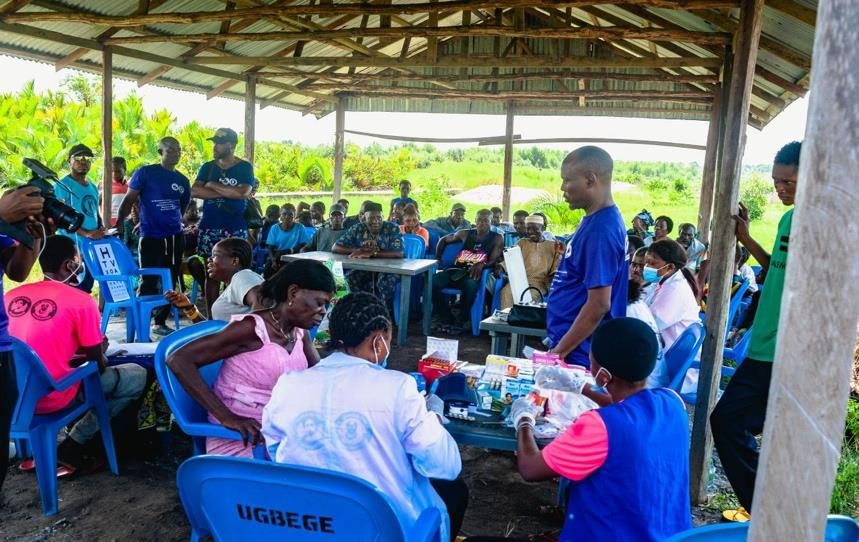
Medical outreach in a riverine community, patients seated under a shelter
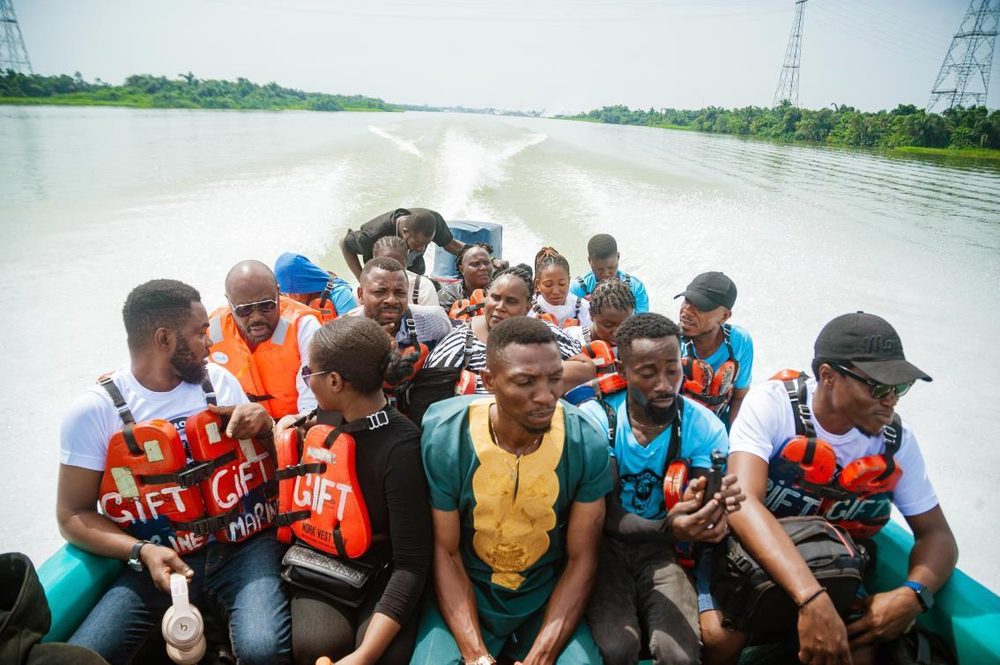
Team transporting patients by boat

Medical outreach and patient transport across the creeks
02

Education Intervention

Education is the second great failure that took our founder's mother from him too soon — she could not read or write, and that vulnerability cost her her life. Our education programme addresses every link in the chain: the physical state of school buildings, the availability of teachers, and whether families can afford to keep their children in class.

  • Renovated and restructured Timi Primary School in Idebaghene, Ayide and again in Ajide (2026, after severe flood damage), Warri North LGA — giving the Ijaw community a functioning primary school.

  • Lobbied the Nigerian Content Development and Monitoring Board (NCDMB) to formally adopt Ginuwa Grammar School (Gbokoda) and Ogidigben Grammar School (Warri South West) for renovation into boarding facilities.

  • Hired and funded private teachers to address shortages, launched a teacher enhancement programme, and provided transport support so teachers can reliably reach Ubagboro, Jakpa and surrounding communities.

  • Donated school transportation boats to approximately seven riverine communities with no route to the nearest school, including Ayoungbene and Odobogbene.

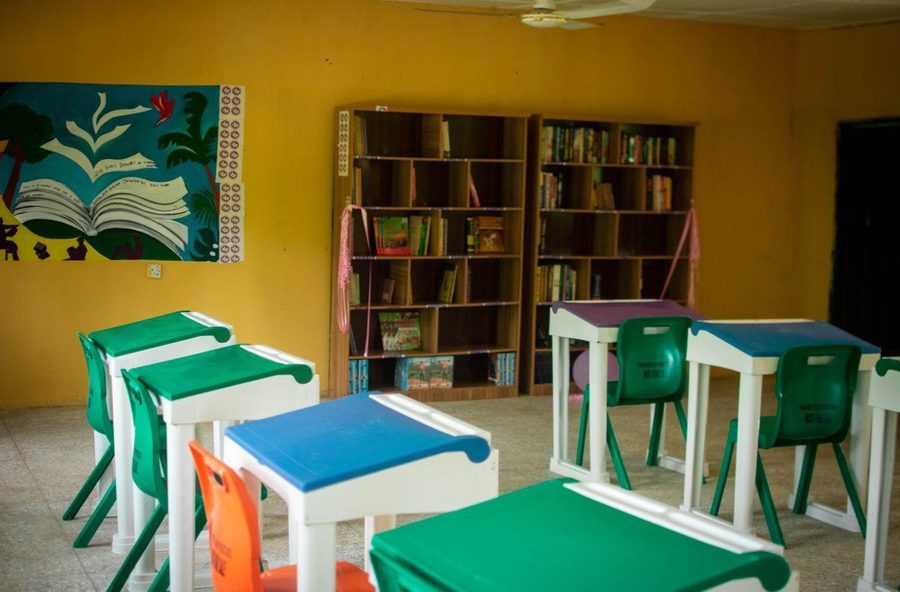
  • Built the Titi Omoruwa Foundation Library in Jakpa and a standard library at Ginuwa Grammar School, with plans to replicate in every community where a school is established.

  • A parental incentive programme pays up to $10 per school term to parents whose children maintain attendance, directly tackling forced child labour — enrolment has risen from 10% to 90% where it operates.

  • Pupil attendance jumped 300% after our sponsorship programme launched; average assessment scores rose from 30% to 70% once adequate teachers and a functioning library were in place.

  • Currently awarding and supporting 7 university scholarships, mostly at private universities, with further expansion planned.

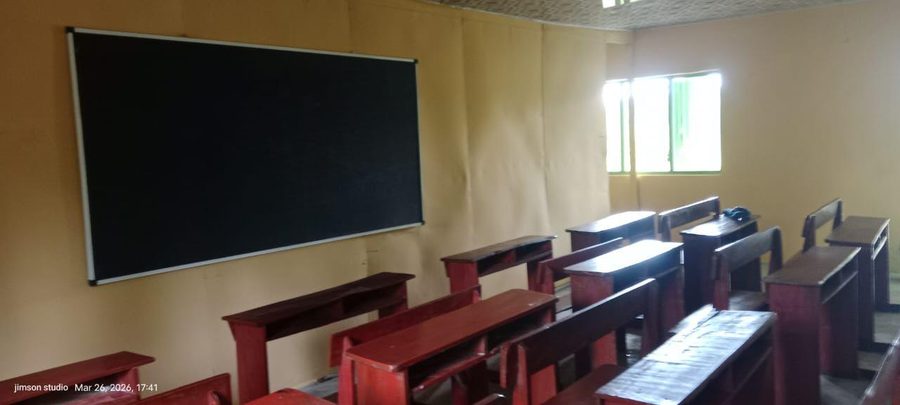
Renovated classroom at Timi Primary School, Ajide
The Titi Omoruwa Foundation Library in Jakpa

Classroom renovation in Ajide and the Titi Omoruwa Library in Jakpa

03

Community Development & Support

Community development at RMF means building the foundational infrastructure of dignified living: clean water, safe roads and walkways, internet connectivity, solar energy, food on the table. In the Niger Delta creeks, these are not luxuries — they are the difference between life and death, isolation and opportunity.

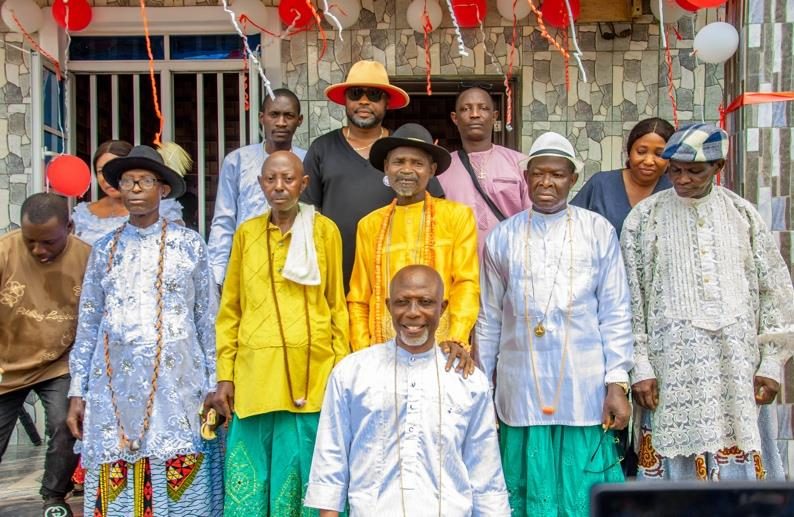
  • Built a clean water purification project in Daleoketa Community, converting iron-rust and oil-contaminated brown water into clean, drinkable water — inaugurated in May 2024 with the Iye of Warri Kingdom and the Council of Chiefs in attendance.

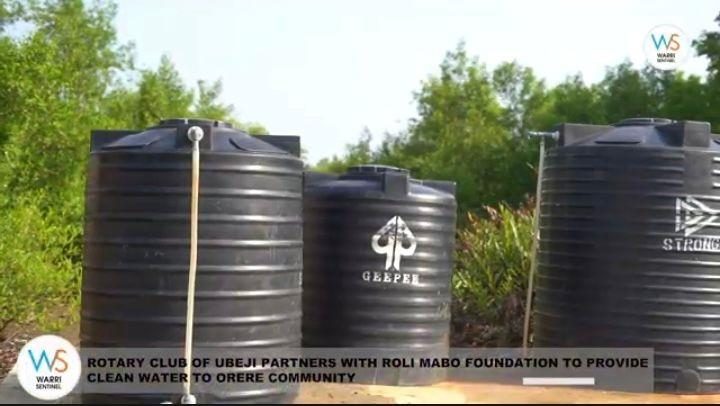
  • Built and later restored the clean water project in Orere Community, and advanced a further clean water project in Ugbolaja Community with local stakeholders.

  • Expanded clean water access to the Ejo Family Compound quarter in Ode-Itsekiri (2026), and rebuilt a 4km wooden walkway in Ekeporo Community, restoring safe passage for children, women and elderly residents.

  • Installed solar power and Starlink internet in Bateren Community — the first telecommunications access that community has ever had — and solar lamps, power banks and charging centres elsewhere.

  • Delivered 24-hour solar electricity to the Ugbege Healthcare Center — its very first electricity generation — and distributed roughly 9,000 food palliative packages to children and families, with monthly provisioning at school level.

  • Completed a community family housing facility for visiting teachers, nurses, doctors and volunteers, and hosted an end-of-year celebration for children, including new clothes sewn specifically for the occasion.

  • 11 communities impacted to date under this pillar, with aggressive expansion — and climate adaptation planning for coastal erosion — underway.

Chiefs and community leaders at the Daleoketa water project inauguration
Solar panel installation in a riverine community

Water project inauguration in Daleoketa; solar installation in progress

04

Economic Empowerment

We believe long-term change cannot be delivered to communities — it has to be built within them. This pillar equips individuals and families with real, marketable skills and the seed resources to put those skills to work, distinct from our estate-scale agricultural programme.

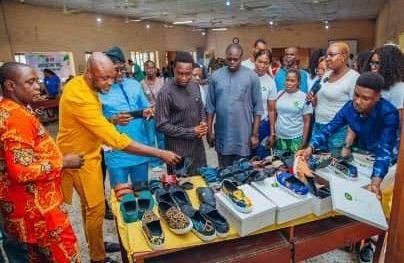
  • In partnership with the Nigerian Content Development and Monitoring Board (NCDMB), equipped over 100 youths with certified vocational skills in welding, tailoring, ICT, catering, electrical work, beauty and make-up artistry, mechanics, plumbing, shoemaking and more.

  • Training is open to youth, women and older men across the Niger Delta creeks, reaching those most excluded from formal economic participation.

  • Each graduate receives a $112 facilitation grant to begin their trade or business; nine broader economic empowerment grants have also been disbursed to individuals and small businesses.

  • Supported community members in setting up cassava farms, fish ponds, goat-rearing businesses and other productive enterprises to build consistent income streams.

  • A parental compensation programme pays up to $25 per school term for keeping children enrolled with minimal absenteeism, easing the economic pressure behind forced child labour.

  • These programmes are already generating sustainable income and beginning to attract people back to riverine communities many had abandoned for the cities.

Shoemaking empowerment program graduation event
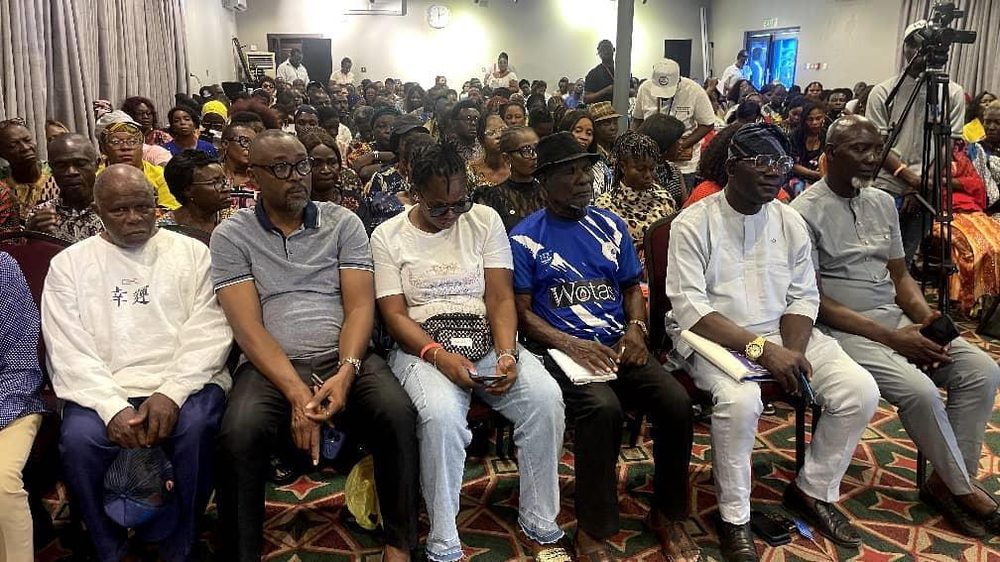
Audience at an economic empowerment training event

Shoemaking empowerment programme and vocational training graduation

05

Agricultural Initiative

The Niger Delta sits on extraordinary natural wealth — not just oil, but land and water. Our agricultural programme is built on the conviction that the long-term future of these communities cannot rest on a resource that will eventually run out and has, in any case, never truly benefited them.

  • In partnership with the Ugbolaja Community, Warri South LGA, launched an integrated agricultural development initiative on a 1,885-acre estate — one of the most ambitious self-funded indigenous NGO investments in Niger Delta agriculture.

  • The first 100 acres are fully surveyed, lodged with the Delta State Government, cleared of all required levies, and actively farmed, with training provided to 50 youths in partnership with NCDMB in 2025.

  • The estate produces cassava, ugwu, potato and oil palm, and already runs a mini processing plant turning produce into export-ready goods.

  • Designed as a fully integrated hub: primary food production, agro-processing, agro-packaging, and an agro-teaching programme for youth and community members.

  • When fully operational, the estate is projected to provide livelihoods for over 2,000 youths across multiple communities throughout the creeks.

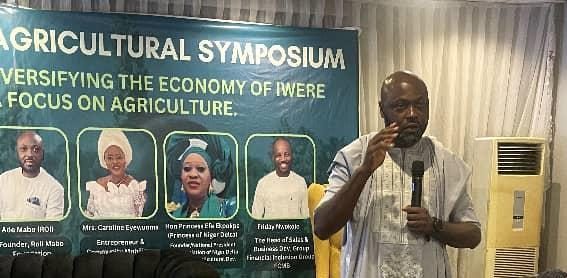
  • Founder Ade Mabo presented at the Iwere Agricultural Symposium — "Diversifying the Economy of Iwere Nation: A Focus on Agriculture" — advocating a structural shift away from oil dependency.

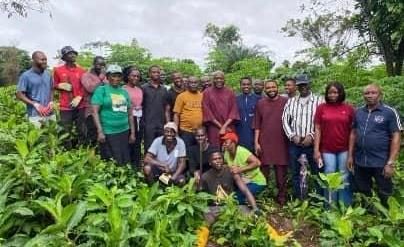
Agricultural training initiative in the fields at Ugbolaja community
Ade Mabo speaking at the Iwere Agricultural Symposium

The 1,885-acre Ugbolaja estate, and Ade Mabo at the Iwere Agricultural Symposium

06

Widows Empowerment Program

The Widows Empowerment Programme extends the Foundation's commitment to vulnerable women. Widows in Niger Delta creek communities are among the most economically and socially invisible people in society, often left to care for their families with little or no income, healthcare or support.

  • For years, the Foundation has provided food relief and welfare support to widows across the Niger Delta creeks — 800 widows catered to so far.

  • Welfare packages, including food and essential household supplies, have been distributed to women across multiple riverine communities since the programme launched.

  • Through the Isaiah Project, the programme expanded in 2025 beyond the Niger Delta to widows in Ajegunle, one of Lagos state's poorest suburbs.

  • The Foundation continues expanding access to empowerment opportunities and community support systems designed specifically around the circumstances of widowed women.

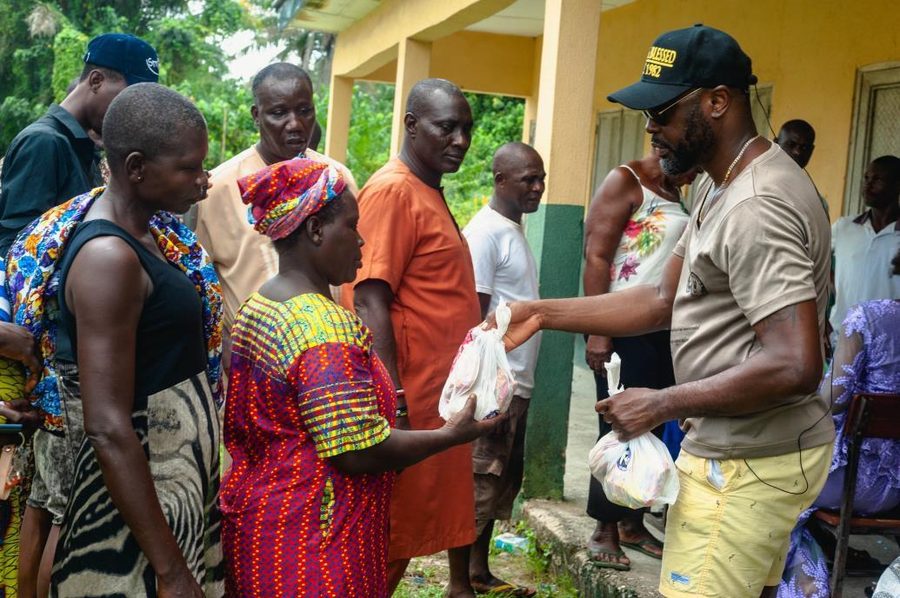
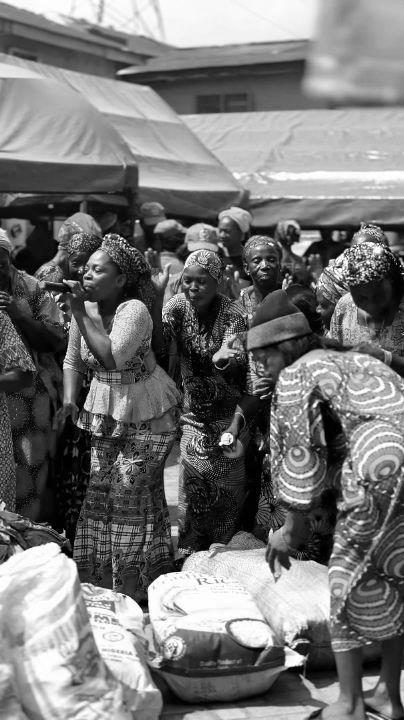
Food palliatives being distributed to widows and families in the riverine areas
Crowd receiving food palliative distribution

Food palliatives distributed to widows and families across the riverine areas

See what comes next

2026 and beyond: what expansion looks like with your support.

Looking ahead & statistics